Energy branding that's fit for purpose
Discussing the importance of establishing a purpose-driven brand and the impact it can have on companies looking to diversify in the ever-changing energy sector.

The launch of the iPod in 2001, followed by the iPhone in 2007, helped Apple diversify from a home PC brand to one of the world’s leading technology companies.

You might wonder why Apple hasn’t diversified even more? Wouldn’t Apple hotels work? What about Apple protein shakes?
Apple builds trust with customers because it has a clear purpose that's supported by a focused brand strategy. To date, whatever Apple has done, no matter how diverse, it aligns with its overarching purpose and mission.
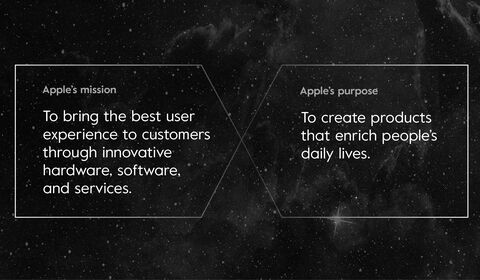
Apple’s mission is ‘to bring the best user experience to customers through innovative hardware, software, and services' and its purpose is 'to create products that enrich people’s daily lives'.
Having an overarching purpose and mission guides Apple’s business and brand. A new Apple fashion range is most probably not going to enrich people’s lives with innovative technology, while a new Apple electric car could be a different story – it fits the purpose and mission.
Defining your brand’s Purpose, Mission & Vision
A quick online search reveals countless (and at times, conflicting) definitions for purpose, mission and vision (PM&V). For me, the best definition comes from brand expert, Marty Neumeier (I’ve been privileged to attend Marty’s brand strategy classes. His pioneering book, The Brand Gap, was a favourite of Steve Jobs). Marty sums PM&V up like this:
Purpose: the reason you exist beyond making money
Marty Neumeier
Mission: a master plan for creating value
Vision: a shared picture of mission success
When we work with energy brands that are looking to diversify, the PM&V is one of the early discussion points. To help brands focus and define their PM&V, we work through some simple questions, for example:
What do you do?
How do you do it?
Who is it for?
Why should they care?
What makes you different?
What do you stand for?
The ultimate objective is to arrive at a PM&V statement that is as relevant to what you do today while inspiring and guiding the products and services of tomorrow – providing a solid brand foundation for your new energy future to build on.